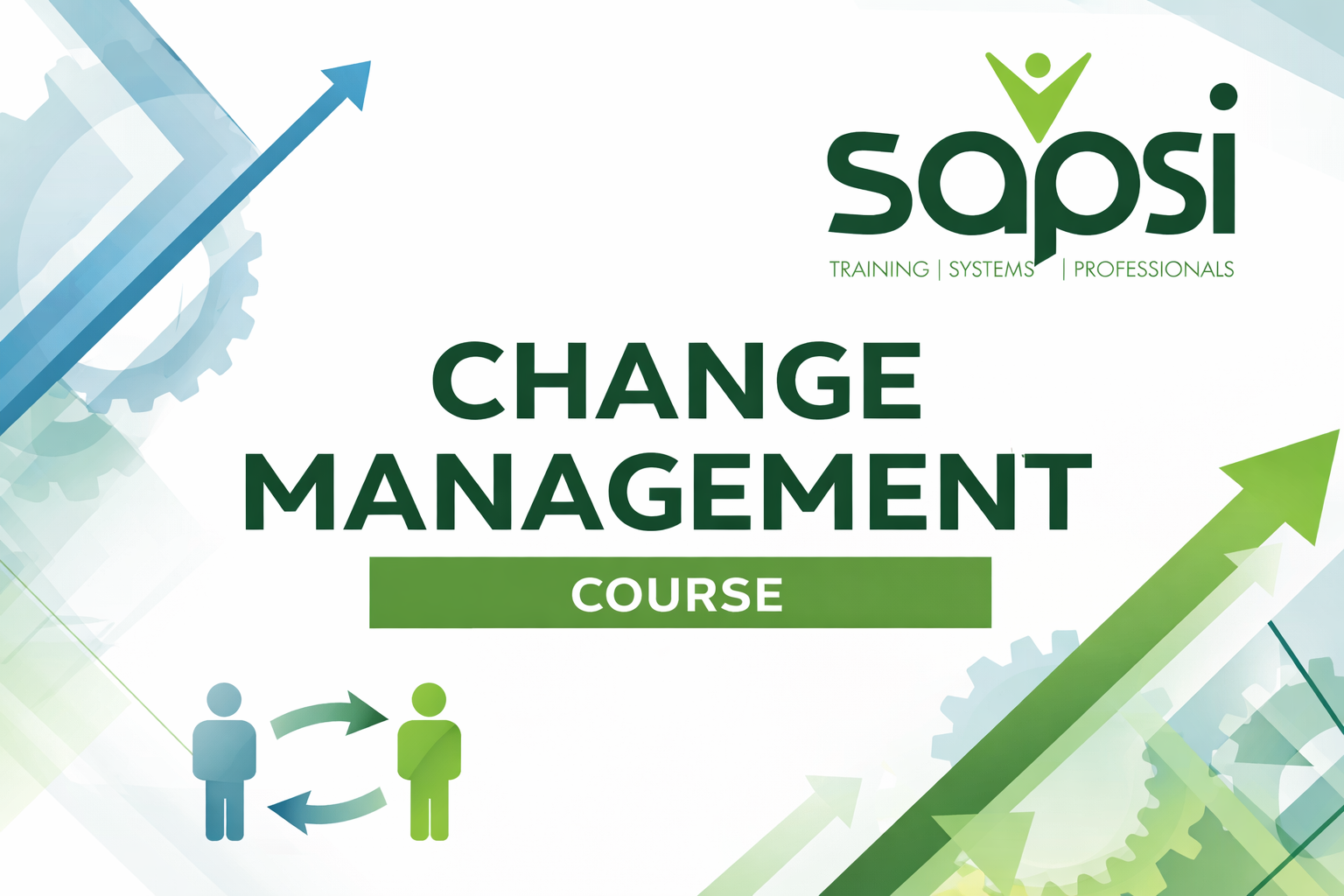
Municipal finance operates in an environment of continuous change driven by legislative reforms, system upgrades, audit requirements, service delivery demands, and evolving governance standards. Effective change management is therefore critical to ensure that financial reforms, process improvements, and system implementations are successfully adopted and sustained within the municipality.
This Change Management course is designed to equip municipal finance officials, managers, and system users with the knowledge and practical tools required to manage change in a structured, controlled, and people-centred manner. The focus is on aligning financial processes, systems, and behaviours with municipal objectives while maintaining compliance with applicable legislation such as the MFMA, GRAP, and Treasury regulations.
Participants will gain an understanding of how change impacts financial operations including budgeting, revenue management, expenditure control, reporting, and financial governance. The course emphasises communication, stakeholder engagement, risk mitigation, and user adoption to minimise resistance and ensure continuity of financial services during periods of change.
By the end of this programme, delegates will be better positioned to lead, support, and sustain financial change initiatives that improve efficiency, accountability, and service delivery outcomes within the municipal environment.
- Manager: John Mosweu
The purpose of this Cyber Security Awareness Training Programme is to reduce human-related cyber risk within municipalities. While technology such as Sophos provides strong protection, employees remain the first and most important line of defence. This programme equips participants with the knowledge and behavioural skills required to prevent, identify, and respond to cyber threats in their daily work.
- Manager: John Mosweu
- Manager: John Mosweu
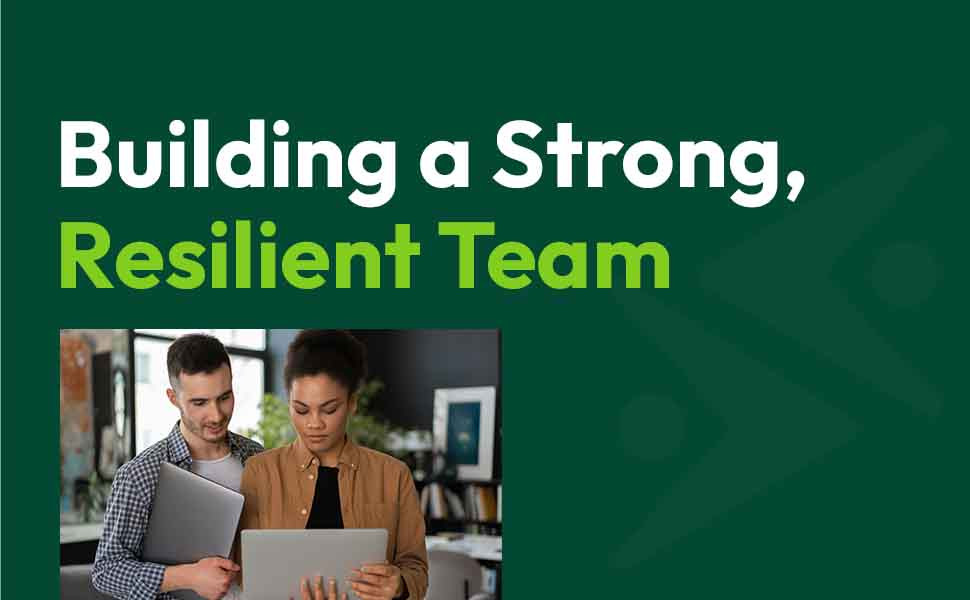
This course equips leaders and team members with the skills and strategies needed to foster resilience, manage conflict, and build a supportive, high-performing team culture. Through practical tools, real-world case studies, and reflective activities, you'll learn how to strengthen collaboration, navigate change, and promote emotional well-being. All essential elements for a resilient and successful team.
- Course creator: Treasure Masinga
Effective time management is a vital skill that empowers individuals to take control of their schedules, maximize productivity, and achieve both personal and professional goals.
By managing time efficiently, individuals can reduce stress, avoid last-minute pressures, and create a healthier balance between work and personal life.
This course is designed to equip students with practical tools, proven frameworks, and essential techniques to develop strong time management habits.
Throughout the program, students will learn how to set clear goals, prioritize tasks, minimize procrastination, and handle distractions effectively.
By applying these skills, students will not only improve their productivity but also enhance their decision-making, build greater confidence, and perform consistently under pressure—skills that are invaluable for academic success, career advancement, and personal growth.
- Course creator: Kerry de Jager
- Course creator: Mikaela Willemse

The Client Satisfaction Course is designed to equip employees with the skills and strategies needed to deliver outstanding customer service. Through seven structured modules, participants will learn effective communication techniques, handling inquiries and complaints, time management, customer relationship management (CRM), and continuous service improvement. This course emphasises practical applications, real-world scenarios, and actionable strategies to enhance customer interactions, increase satisfaction, and build long-term loyalty. By the end of the course, participants will be able to confidently manage customer needs, resolve conflicts professionally, and contribute to a strong customer-focused business culture.
- Course creator: Mikaela Willemse